


ARTIST |
Carlos Gasparotto |
TITLE |
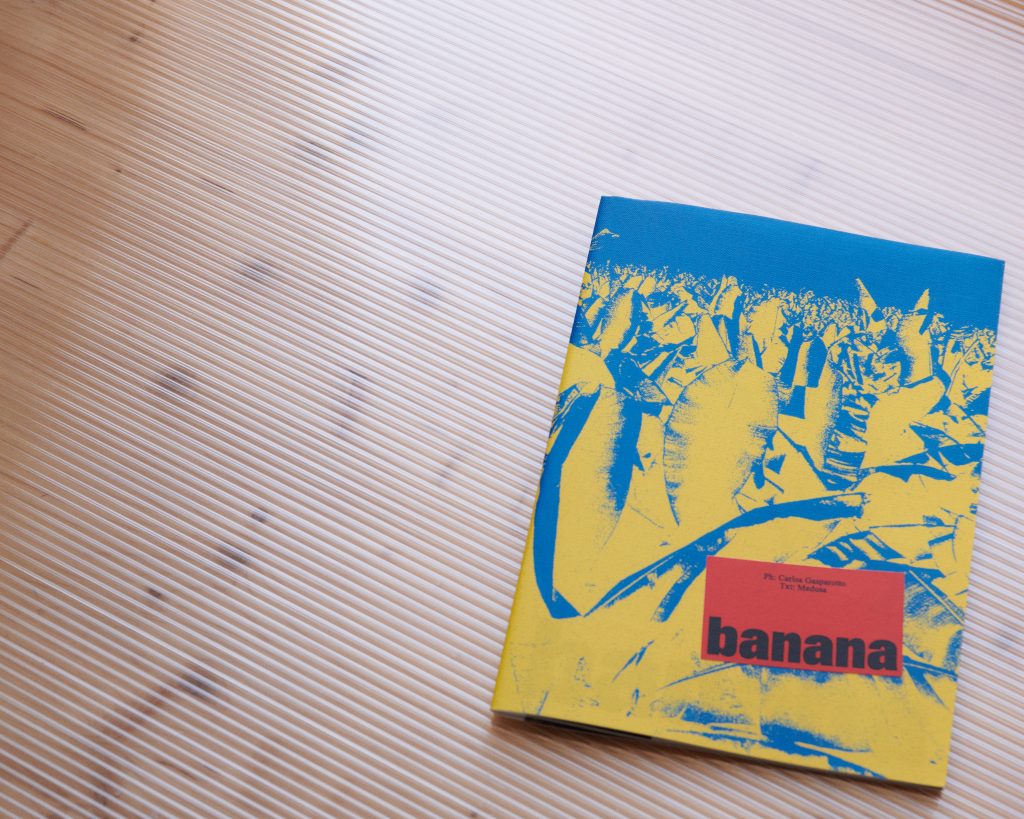
Banana |
YEAR |
2023 |
ARTIST’S COUNTRY OF ORIGEN |
Argentina, Italy |
DIMENSIONS |
21 x 27.9 cm / 8.27 x 10.98 " |
MEDIUM |
Paperback book; 44 pages with a graphic dust jacket |
Photography and stories: Carlos Gasparotto. Text: Medusa – Nicolò Porcelluzzi & Matteo de Giuli. Design: Alessio D’Ellena (Superness). One of the stickers contains La United Fruit Co. by Pablo Neruda, a political satirical poem belonging to the collection Canto General (1950).
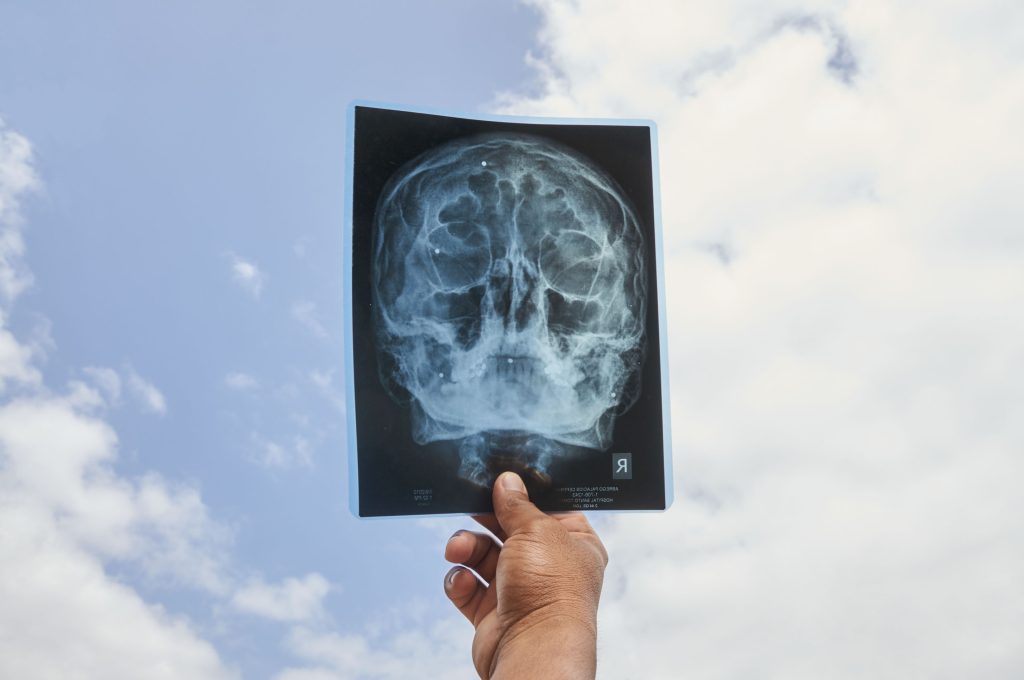
Printed in 2023, Carlos Gasparotto’s Banana (2023) takes the form of a 44-page artist book that interlaces photography, testimony, and design into a searing document of violence and resistance in Panama. Conceived from fieldwork conducted in 2012 among the Ngäbe-Buglé people, the book reflects on the aftermath of the 2010 protests in Changuinola, where banana plantation workers mobilized against exploitative conditions and restrictive new labor laws known as the ley chorizo. The government’s brutal response, under then-president Ricardo Martinelli, left one dead and more than seven hundred injured—many of whom still live with buckshot embedded in their bodies.
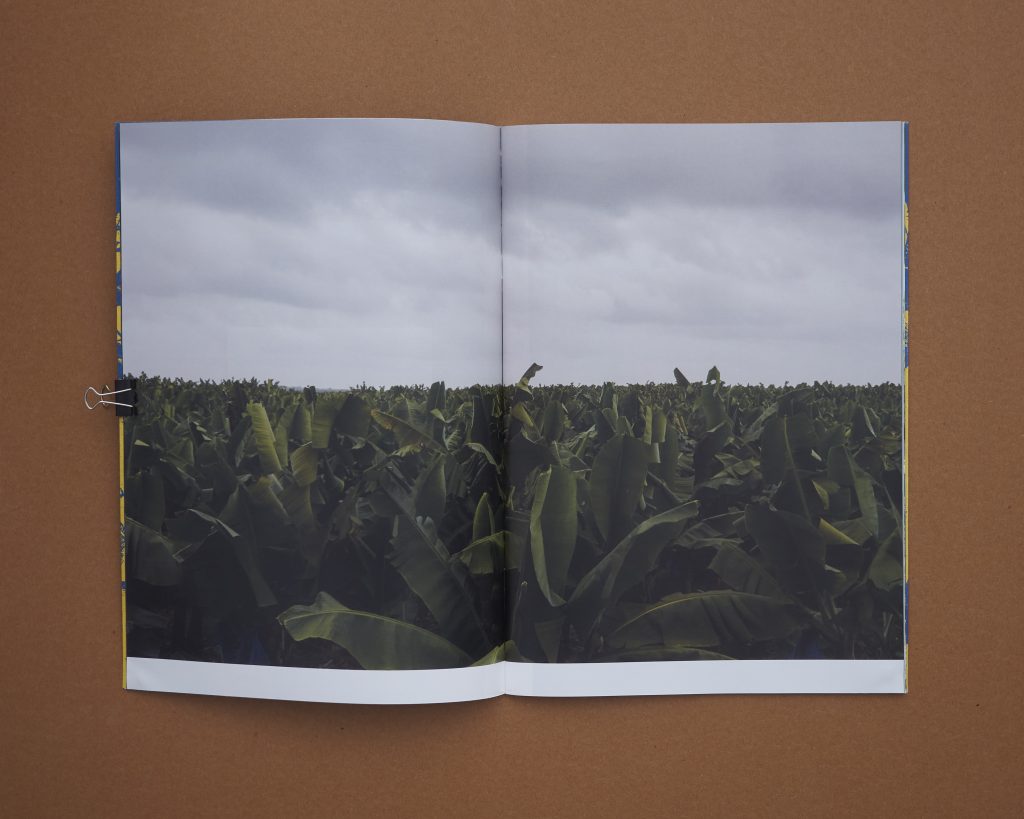
Gasparotto’s images capture these consequences in stark detail: portraits of survivors sit alongside X-rays revealing pellets lodged in flesh, reminders of wounds that never fully healed. The photographs are paired with images of banana plantations, traces of community resistance, and familiar banana stickers, one of which reproduces Pablo Neruda’s La United Fruit Co. from Canto General (1950), embedding the project within a longer history of literary and political critique of multinational fruit corporations. Designed by Alessio D’Ellena with texts by Nicolò Porcelluzzi and Matteo de Giuli, the book balances personal encounters with historical context, weaving intimate human stories into broader reflections on exploitation and power.
At once testimonial and analytical, Banana questions what has really changed in the century-long saga of United Fruit and its successors. By slowing down the news cycle and placing workers’ bodies, voices, and landscapes at the center, Gasparotto confronts viewers with the long shadows of corporate violence and state repression in the Americas. The book underscores the urgency of remembering these struggles, reminding us that the histories of banana monocultures are not relics of the past but realities inscribed, quite literally, into the flesh of those who resisted.
