


ARTIST |
Chisco Valdés |
TITLE |
Créame Nunca Más II |
YEAR |
2023 |
ARTIST’S COUNTRY OF ORIGEN |
Guatemala |
DIMENSIONS |
7.62 x 5.72 cm / 3 x 2.25 " Barcelona, Spain |
MEDIUM |
Photographic documentation, high quality adhesive vinyl. Location of the work: public spaces associated with the figure of Christopher Columbus in Barcelona, Spain. |
Courtesy of the Artist. Production and assembly: La Nueva Fábrica
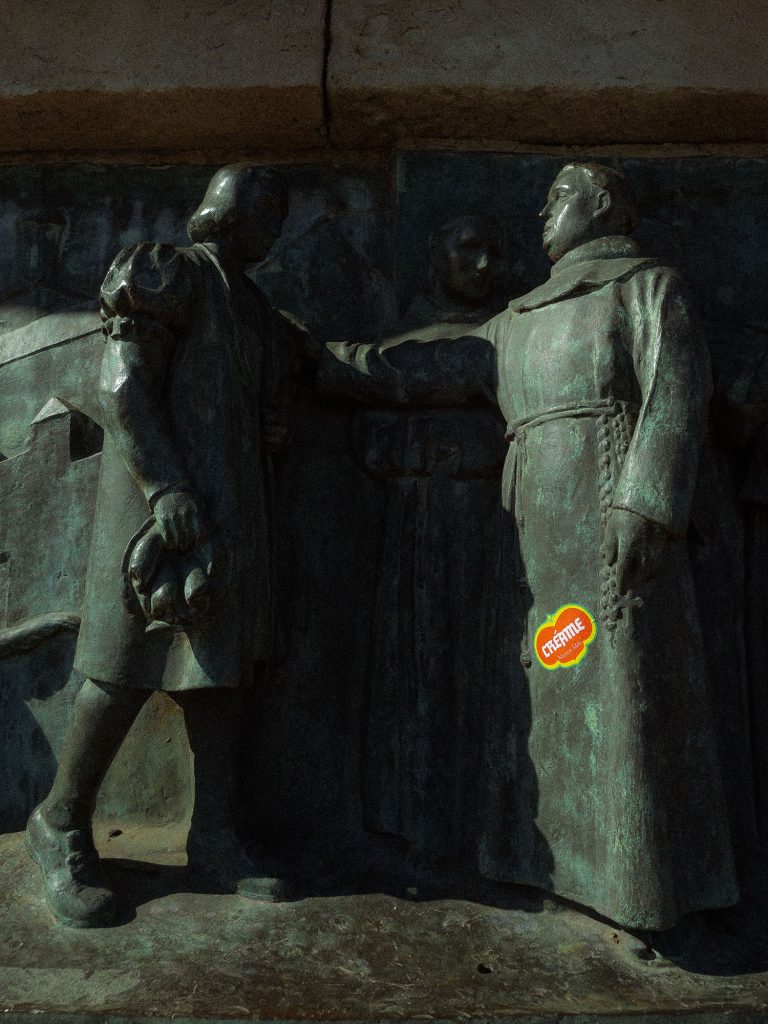
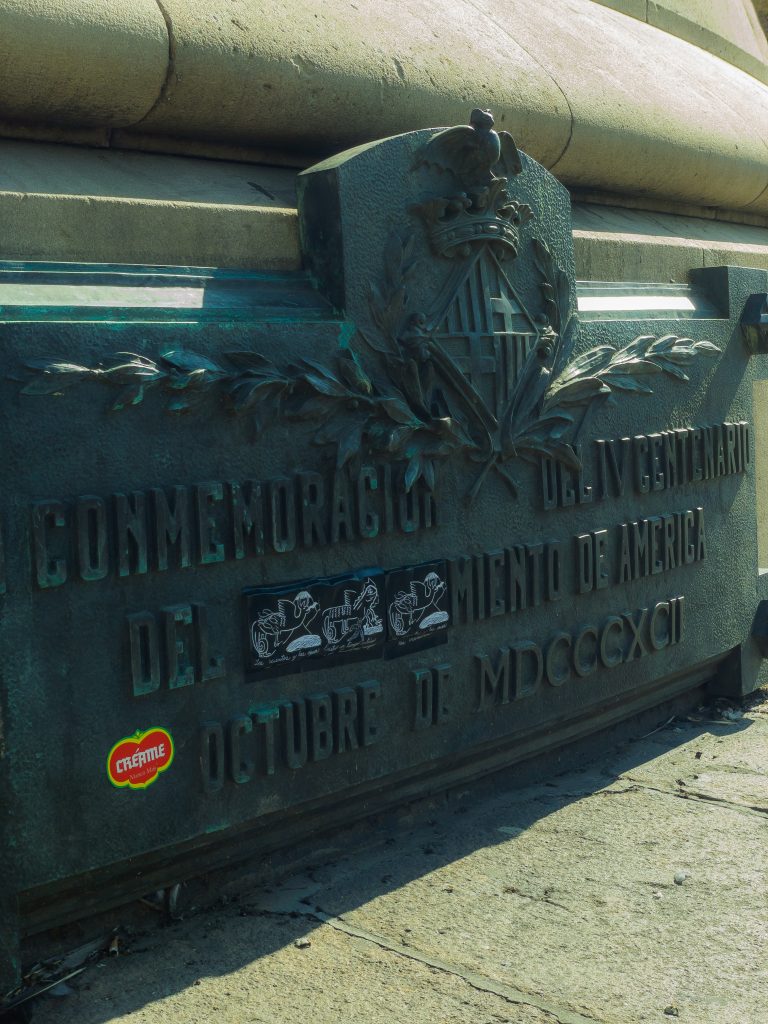
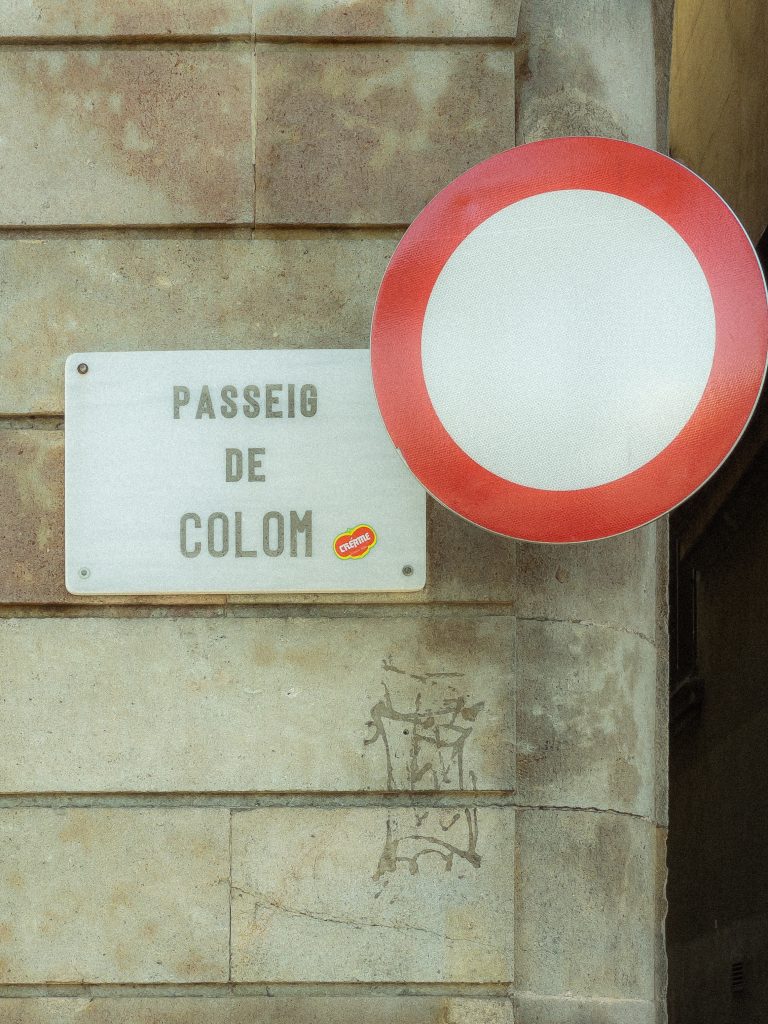
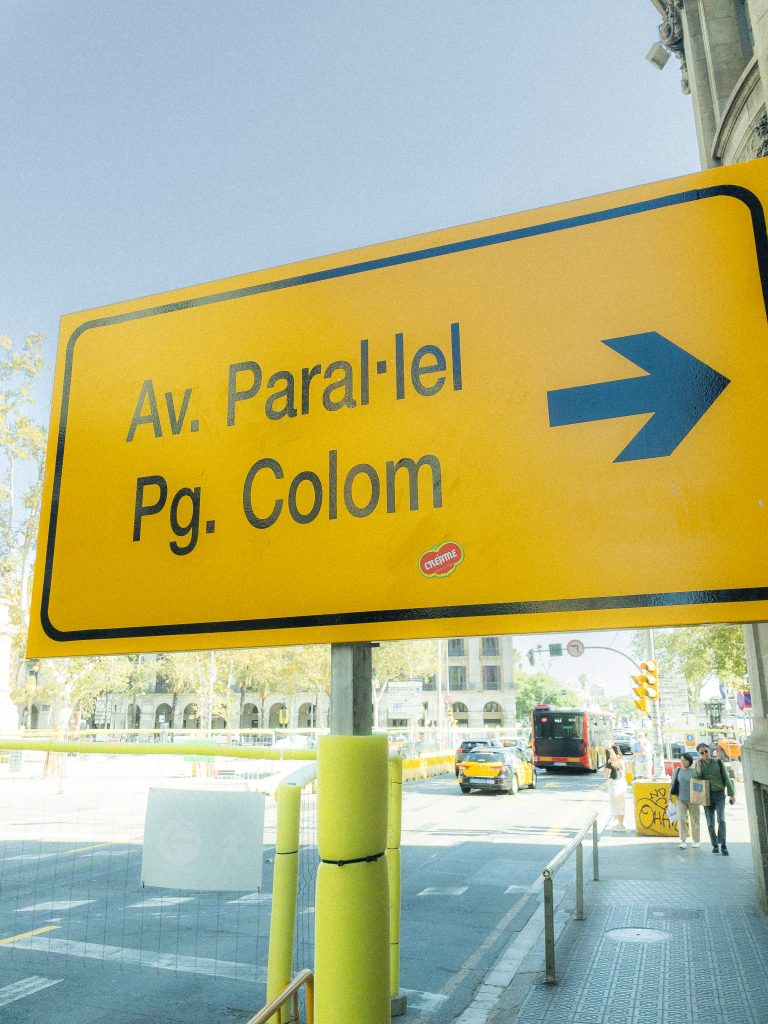
In this intervention, Valdés affixes stickers reading “Créame Nunca Más” (“Believe Me Never Again”) to monuments linked to Christopher Columbus across Barcelona, inserting a quiet but unmistakable rupture in the visual order of commemoration. The photograph captures one such gesture: a small, bright label disrupts the solemn bronze surface of a colonial tableau, forcing the viewer to confront the collision between past glorification and present critique.
Through this minimal intervention, Valdés reclaims the language of corporate branding—specifically referencing the infamous fruit company whose economic and political power shaped Guatemala’s twentieth century—to expose how colonial structures persist under the guise of global capitalism. The sticker’s appropriation of a familiar logo turns the language of consumption into a statement of dissent, marking monuments not as inert relics but as active sites of ideological struggle. By linking Columbus’s image to the banana economy’s legacy of exploitation, the work draws an unbroken line between the conquest of the Americas and the ongoing subjugation of Latin American labor and land.
Installed on October 12, a date officially celebrated as “Día de la Hispanidad” in Spain, the intervention reframes the day as one of remembrance and resistance. Valdés’s gesture refuses both hero worship and erasure, substituting celebration with awareness. The phrase “Nunca Más” invokes both the language of post-dictatorial human rights movements and the moral demand for collective accountability. In this way, Créame Nunca Más merges poetic subtlety and political urgency—reminding us that even the smallest mark, strategically placed, can unmask the continuity of colonial power in the monuments that still shape public memory.
